Social Media and Marketing
Content Editing
Content Editing in the Age of Short Attention Spans
Time :
1 day
Creativity, Competition and Commercial Impact
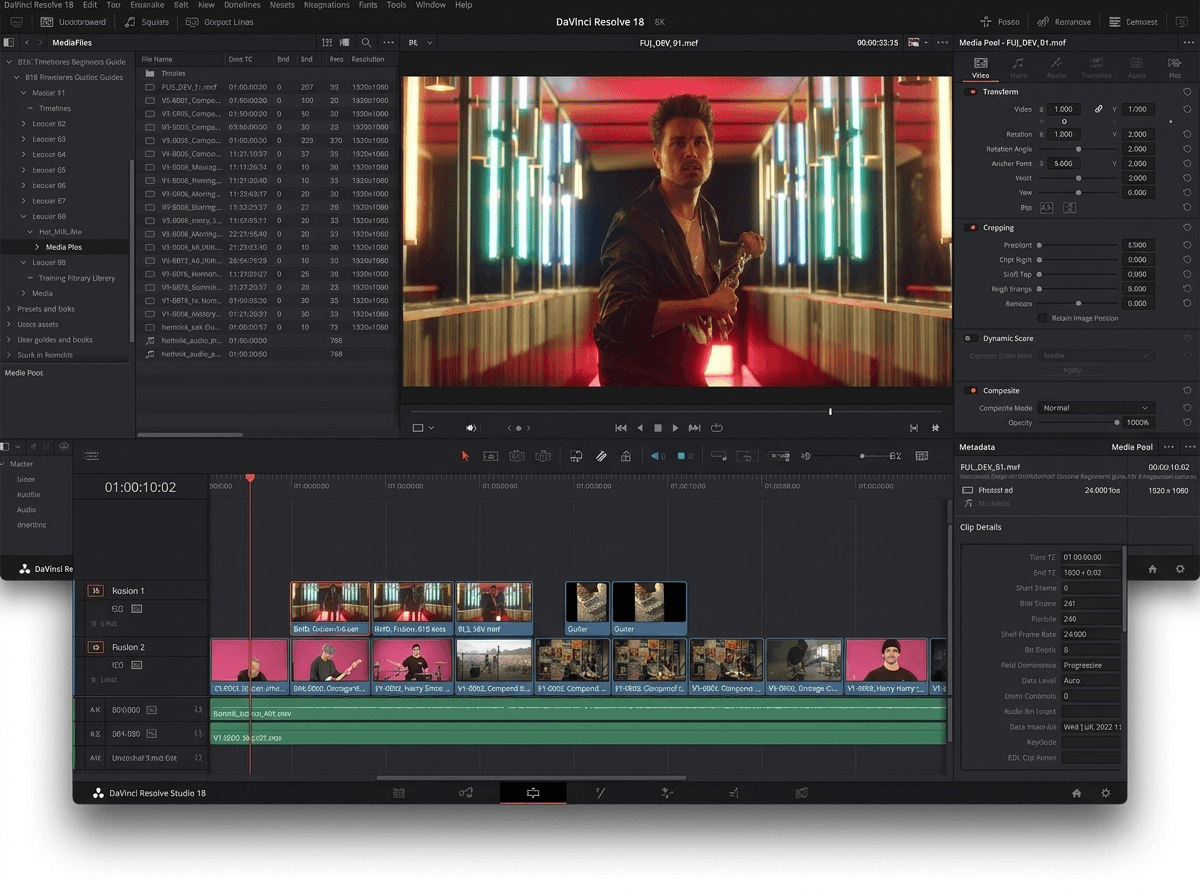
Video editing has evolved from a technical craft into a strategic discipline at the centre of modern communication. In a landscape dominated by digital platforms and constant content flow, the ability to capture and retain attention is no longer optional—it is essential. Editors today are not simply assembling footage; they are shaping how stories compete, perform and ultimately generate value.
This shift is being driven by a simple reality: attention spans are shrinking, while content supply is exploding.
The Battle for Attention
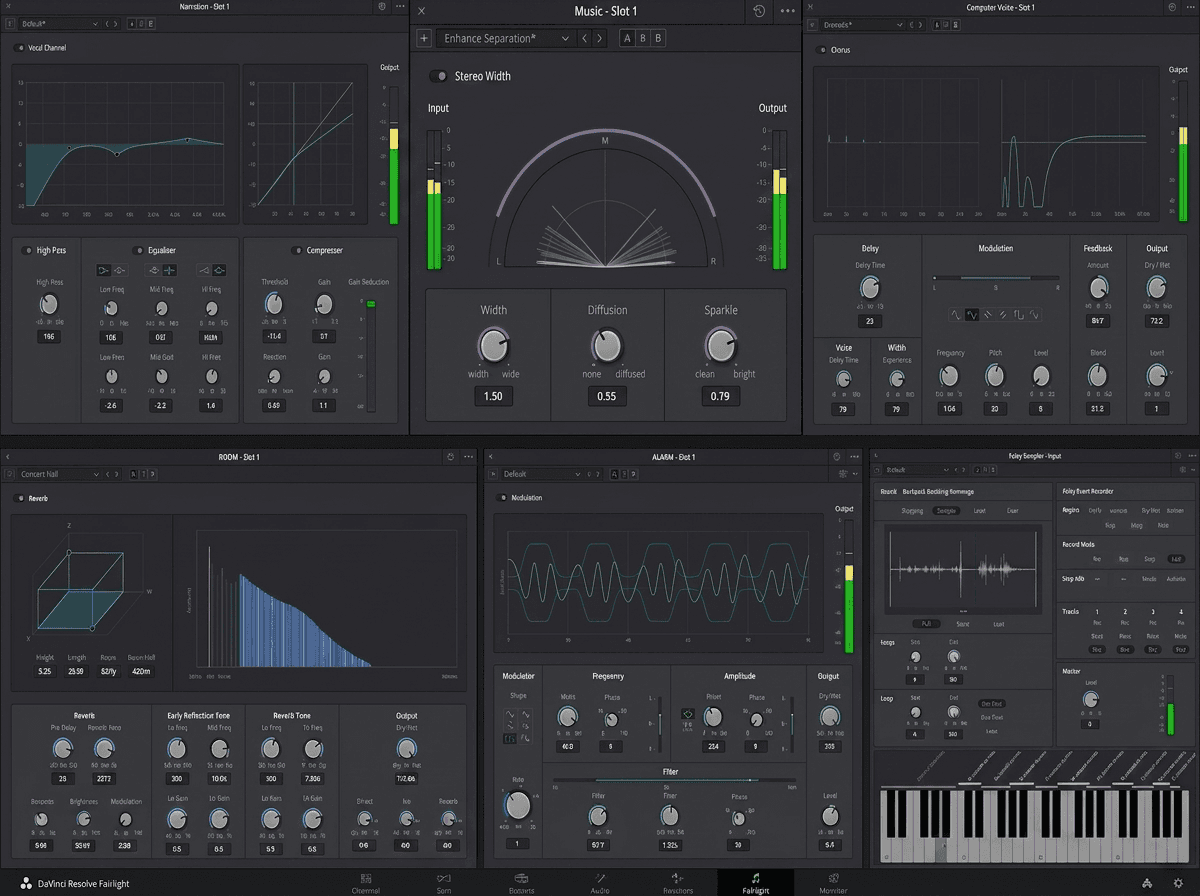
Audiences are now accustomed to consuming content in rapid, continuous streams. Whether scrolling through social media or browsing streaming platforms, viewers make split-second decisions about what to watch and what to ignore. The first few seconds of a video have become critical—often determining whether a viewer stays or moves on.
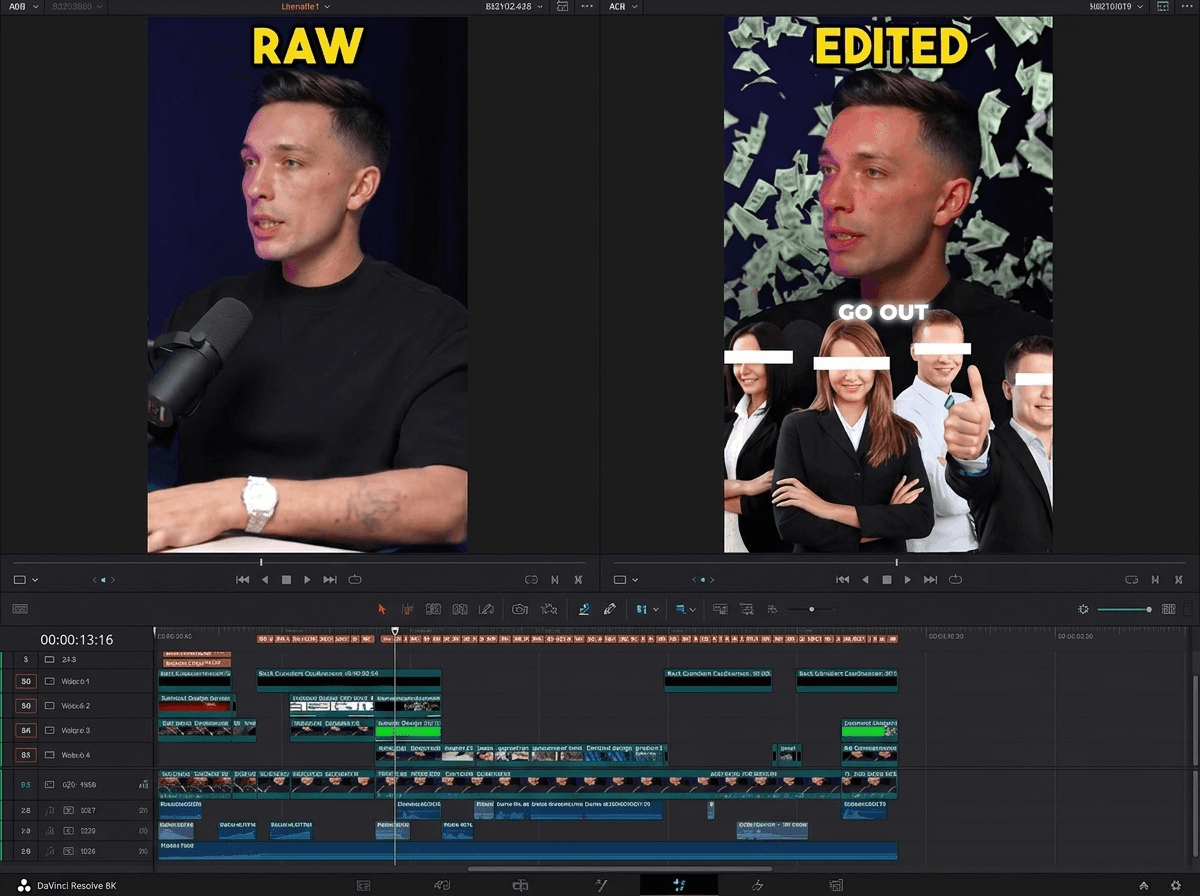
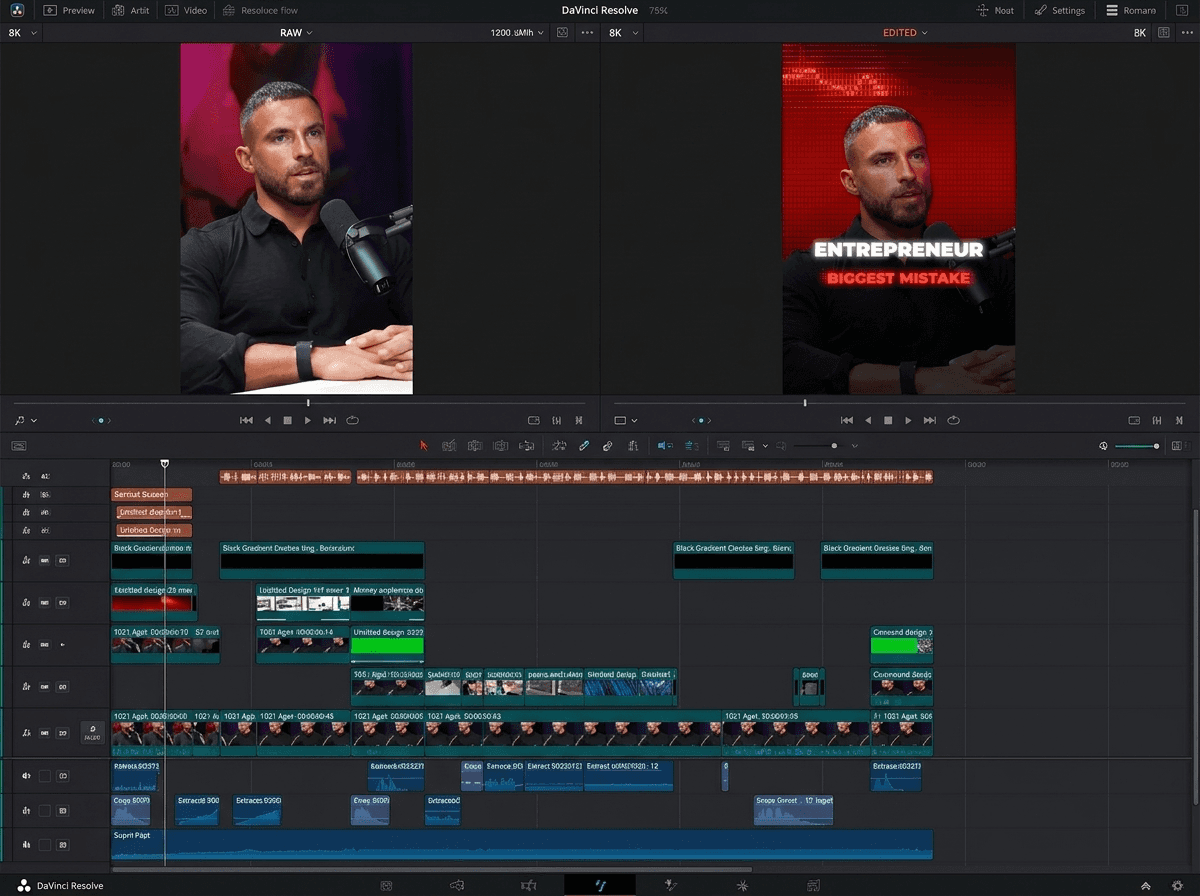
As a result, editing styles have adapted. Faster cuts, immediate hooks, bold visuals and clear narrative direction are now standard. Dead space has been eliminated. Every frame must justify its place.
This has led to the rise of techniques such as:
Strong opening moments designed to stop scrolling
Subtitle-driven storytelling for silent viewing
Pattern interruptions to maintain engagement
Highly compressed narratives that deliver value quickly
Editing is no longer just about pacing—it is about retention engineering.
Platform Dynamics and Algorithmic Pressure
Modern video editing is deeply influenced by platform algorithms. Content that удержes attention is prioritised, while content that fails to engage is quickly deprioritised. Metrics such as watch time, completion rate and viewer interaction directly impact visibility.
This creates a feedback loop: editors must optimise for performance, and performance dictates reach.
Consequently, editing decisions are increasingly data-informed. Creators analyse drop-off points, test variations and refine their approach continuously. The creative process is becoming more iterative, blending intuition with analytics.
Impact on Revenue and Advertising
Attention is not just a creative goal—it is an economic one. In digital ecosystems, viewer engagement directly translates into revenue.
Advertising Revenue: Platforms reward content that keeps users engaged for longer periods, increasing opportunities for ad placement. Higher retention often means higher earnings.
Brand Partnerships: Brands prioritise creators who can consistently capture attention and drive engagement. Well-edited, high-performing videos attract more lucrative sponsorship deals.
Conversion and Sales: In commercial content, effective editing can significantly influence purchasing behaviour. Clear messaging, strong pacing and compelling visuals increase the likelihood of conversion.
Platform Monetisation Models: Whether through ad revenue sharing, subscriptions or creator funds, performance-driven metrics underpin income streams.
In this context, editing is not merely aesthetic—it is directly tied to financial outcomes.
The Changing Role of the Editor
As demands increase, the role of the video editor is expanding. Editors are now expected to understand audience psychology, platform trends and performance metrics alongside traditional technical skills.
They must balance creativity with efficiency, producing content at speed without compromising quality. In many cases, they are also responsible for repurposing content across multiple formats—long-form, short-form, vertical and horizontal—each with its own requirements.
At the same time, new tools, including AI-assisted editing, are accelerating workflows. Tasks such as cutting, captioning and colour correction can now be automated, allowing editors to focus more on storytelling and strategy.
Creative Tension in a Performance-Driven World
While optimisation brings opportunities, it also introduces tension. The pressure to capture attention quickly can lead to homogenised styles, where content begins to look and feel similar. There is a risk that creativity becomes constrained by what performs best rather than what is most original.
For some creators, this raises important questions:
Is success defined by engagement metrics alone?
Can slower, more deliberate storytelling still thrive?
The answers are still evolving, but the tension between creativity and performance is likely to remain a defining feature of the industry.
Conclusion
Video editing has become a central force in shaping how content is consumed, valued and monetised. In an era of shortened attention spans, the ability to capture interest instantly and sustain engagement is a critical skill.
As platforms continue to evolve and competition intensifies, editing will remain at the heart of digital success—bridging the gap between creativity and commerce. The challenge for creators and editors alike is to navigate this landscape thoughtfully, balancing the demands of performance with the pursuit of meaningful and distinctive storytelling.
More Projects

Social Media and Marketing
Content Editing
Content Editing in the Age of Short Attention Spans
Time :
1 day
Creativity, Competition and Commercial Impact
Video editing has evolved from a technical craft into a strategic discipline at the centre of modern communication. In a landscape dominated by digital platforms and constant content flow, the ability to capture and retain attention is no longer optional—it is essential. Editors today are not simply assembling footage; they are shaping how stories compete, perform and ultimately generate value.
This shift is being driven by a simple reality: attention spans are shrinking, while content supply is exploding.
The Battle for Attention
Audiences are now accustomed to consuming content in rapid, continuous streams. Whether scrolling through social media or browsing streaming platforms, viewers make split-second decisions about what to watch and what to ignore. The first few seconds of a video have become critical—often determining whether a viewer stays or moves on.
As a result, editing styles have adapted. Faster cuts, immediate hooks, bold visuals and clear narrative direction are now standard. Dead space has been eliminated. Every frame must justify its place.
This has led to the rise of techniques such as:
Strong opening moments designed to stop scrolling
Subtitle-driven storytelling for silent viewing
Pattern interruptions to maintain engagement
Highly compressed narratives that deliver value quickly
Editing is no longer just about pacing—it is about retention engineering.
Platform Dynamics and Algorithmic Pressure
Modern video editing is deeply influenced by platform algorithms. Content that удержes attention is prioritised, while content that fails to engage is quickly deprioritised. Metrics such as watch time, completion rate and viewer interaction directly impact visibility.
This creates a feedback loop: editors must optimise for performance, and performance dictates reach.
Consequently, editing decisions are increasingly data-informed. Creators analyse drop-off points, test variations and refine their approach continuously. The creative process is becoming more iterative, blending intuition with analytics.
Impact on Revenue and Advertising
Attention is not just a creative goal—it is an economic one. In digital ecosystems, viewer engagement directly translates into revenue.
Advertising Revenue: Platforms reward content that keeps users engaged for longer periods, increasing opportunities for ad placement. Higher retention often means higher earnings.
Brand Partnerships: Brands prioritise creators who can consistently capture attention and drive engagement. Well-edited, high-performing videos attract more lucrative sponsorship deals.
Conversion and Sales: In commercial content, effective editing can significantly influence purchasing behaviour. Clear messaging, strong pacing and compelling visuals increase the likelihood of conversion.
Platform Monetisation Models: Whether through ad revenue sharing, subscriptions or creator funds, performance-driven metrics underpin income streams.
In this context, editing is not merely aesthetic—it is directly tied to financial outcomes.
The Changing Role of the Editor
As demands increase, the role of the video editor is expanding. Editors are now expected to understand audience psychology, platform trends and performance metrics alongside traditional technical skills.
They must balance creativity with efficiency, producing content at speed without compromising quality. In many cases, they are also responsible for repurposing content across multiple formats—long-form, short-form, vertical and horizontal—each with its own requirements.
At the same time, new tools, including AI-assisted editing, are accelerating workflows. Tasks such as cutting, captioning and colour correction can now be automated, allowing editors to focus more on storytelling and strategy.
Creative Tension in a Performance-Driven World
While optimisation brings opportunities, it also introduces tension. The pressure to capture attention quickly can lead to homogenised styles, where content begins to look and feel similar. There is a risk that creativity becomes constrained by what performs best rather than what is most original.
For some creators, this raises important questions:
Is success defined by engagement metrics alone?
Can slower, more deliberate storytelling still thrive?
The answers are still evolving, but the tension between creativity and performance is likely to remain a defining feature of the industry.
Conclusion
Video editing has become a central force in shaping how content is consumed, valued and monetised. In an era of shortened attention spans, the ability to capture interest instantly and sustain engagement is a critical skill.
As platforms continue to evolve and competition intensifies, editing will remain at the heart of digital success—bridging the gap between creativity and commerce. The challenge for creators and editors alike is to navigate this landscape thoughtfully, balancing the demands of performance with the pursuit of meaningful and distinctive storytelling.
More Projects
Social Media and Marketing
Content Editing
Content Editing in the Age of Short Attention Spans
Time :
1 day
Creativity, Competition and Commercial Impact
Video editing has evolved from a technical craft into a strategic discipline at the centre of modern communication. In a landscape dominated by digital platforms and constant content flow, the ability to capture and retain attention is no longer optional—it is essential. Editors today are not simply assembling footage; they are shaping how stories compete, perform and ultimately generate value.
This shift is being driven by a simple reality: attention spans are shrinking, while content supply is exploding.
The Battle for Attention
Audiences are now accustomed to consuming content in rapid, continuous streams. Whether scrolling through social media or browsing streaming platforms, viewers make split-second decisions about what to watch and what to ignore. The first few seconds of a video have become critical—often determining whether a viewer stays or moves on.
As a result, editing styles have adapted. Faster cuts, immediate hooks, bold visuals and clear narrative direction are now standard. Dead space has been eliminated. Every frame must justify its place.
This has led to the rise of techniques such as:
Strong opening moments designed to stop scrolling
Subtitle-driven storytelling for silent viewing
Pattern interruptions to maintain engagement
Highly compressed narratives that deliver value quickly
Editing is no longer just about pacing—it is about retention engineering.
Platform Dynamics and Algorithmic Pressure
Modern video editing is deeply influenced by platform algorithms. Content that удержes attention is prioritised, while content that fails to engage is quickly deprioritised. Metrics such as watch time, completion rate and viewer interaction directly impact visibility.
This creates a feedback loop: editors must optimise for performance, and performance dictates reach.
Consequently, editing decisions are increasingly data-informed. Creators analyse drop-off points, test variations and refine their approach continuously. The creative process is becoming more iterative, blending intuition with analytics.
Impact on Revenue and Advertising
Attention is not just a creative goal—it is an economic one. In digital ecosystems, viewer engagement directly translates into revenue.
Advertising Revenue: Platforms reward content that keeps users engaged for longer periods, increasing opportunities for ad placement. Higher retention often means higher earnings.
Brand Partnerships: Brands prioritise creators who can consistently capture attention and drive engagement. Well-edited, high-performing videos attract more lucrative sponsorship deals.
Conversion and Sales: In commercial content, effective editing can significantly influence purchasing behaviour. Clear messaging, strong pacing and compelling visuals increase the likelihood of conversion.
Platform Monetisation Models: Whether through ad revenue sharing, subscriptions or creator funds, performance-driven metrics underpin income streams.
In this context, editing is not merely aesthetic—it is directly tied to financial outcomes.
The Changing Role of the Editor
As demands increase, the role of the video editor is expanding. Editors are now expected to understand audience psychology, platform trends and performance metrics alongside traditional technical skills.
They must balance creativity with efficiency, producing content at speed without compromising quality. In many cases, they are also responsible for repurposing content across multiple formats—long-form, short-form, vertical and horizontal—each with its own requirements.
At the same time, new tools, including AI-assisted editing, are accelerating workflows. Tasks such as cutting, captioning and colour correction can now be automated, allowing editors to focus more on storytelling and strategy.
Creative Tension in a Performance-Driven World
While optimisation brings opportunities, it also introduces tension. The pressure to capture attention quickly can lead to homogenised styles, where content begins to look and feel similar. There is a risk that creativity becomes constrained by what performs best rather than what is most original.
For some creators, this raises important questions:
Is success defined by engagement metrics alone?
Can slower, more deliberate storytelling still thrive?
The answers are still evolving, but the tension between creativity and performance is likely to remain a defining feature of the industry.
Conclusion
Video editing has become a central force in shaping how content is consumed, valued and monetised. In an era of shortened attention spans, the ability to capture interest instantly and sustain engagement is a critical skill.
As platforms continue to evolve and competition intensifies, editing will remain at the heart of digital success—bridging the gap between creativity and commerce. The challenge for creators and editors alike is to navigate this landscape thoughtfully, balancing the demands of performance with the pursuit of meaningful and distinctive storytelling.