Implementation
Agentic Workflows
Agentic Workflows: The Next Evolution of AI-Driven Productivity
Time :
2026
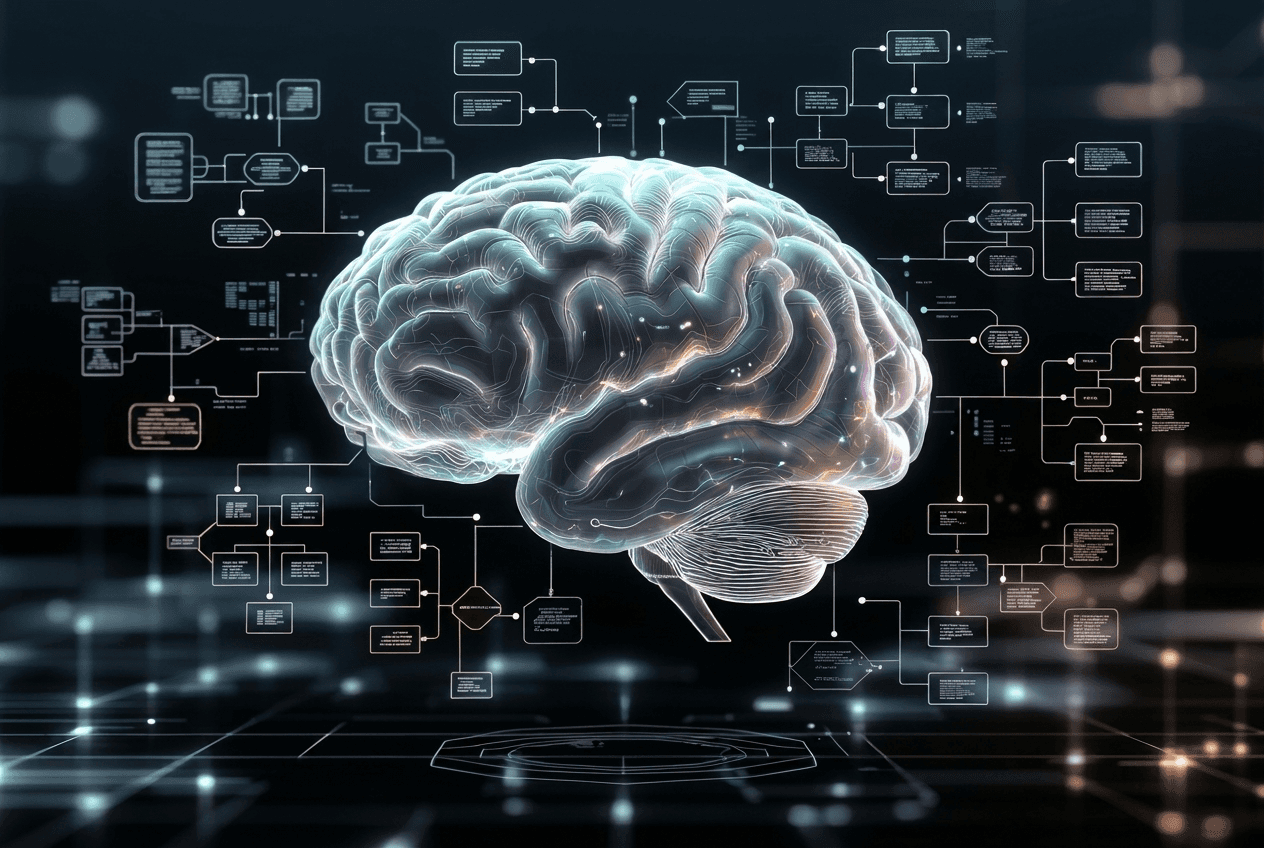
Agentic Workflows: The Next Evolution of AI-Driven Productivity
Where Agentic Workflows Are Being Used
Agentic workflows are already being adopted across a range of domains:
Business Operations: Companies use AI agents to automate processes such as customer support, scheduling, data entry and internal reporting. These systems can manage end-to-end tasks rather than isolated actions.
Software Development: Agents assist with writing, debugging and deploying code, often coordinating multiple steps in the development lifecycle.
Research and Analysis: AI agents can gather information from diverse sources, compare perspectives and generate summaries or recommendations.
Marketing and Content Pipelines: From ideation to publication, agentic systems can manage entire content workflows, including drafting, editing and distribution.
Personal Productivity: Individuals use agents to organise tasks, manage emails, plan travel and coordinate daily activities.
In each case, the defining feature is not just automation, but orchestration—the ability to manage complex sequences of work.
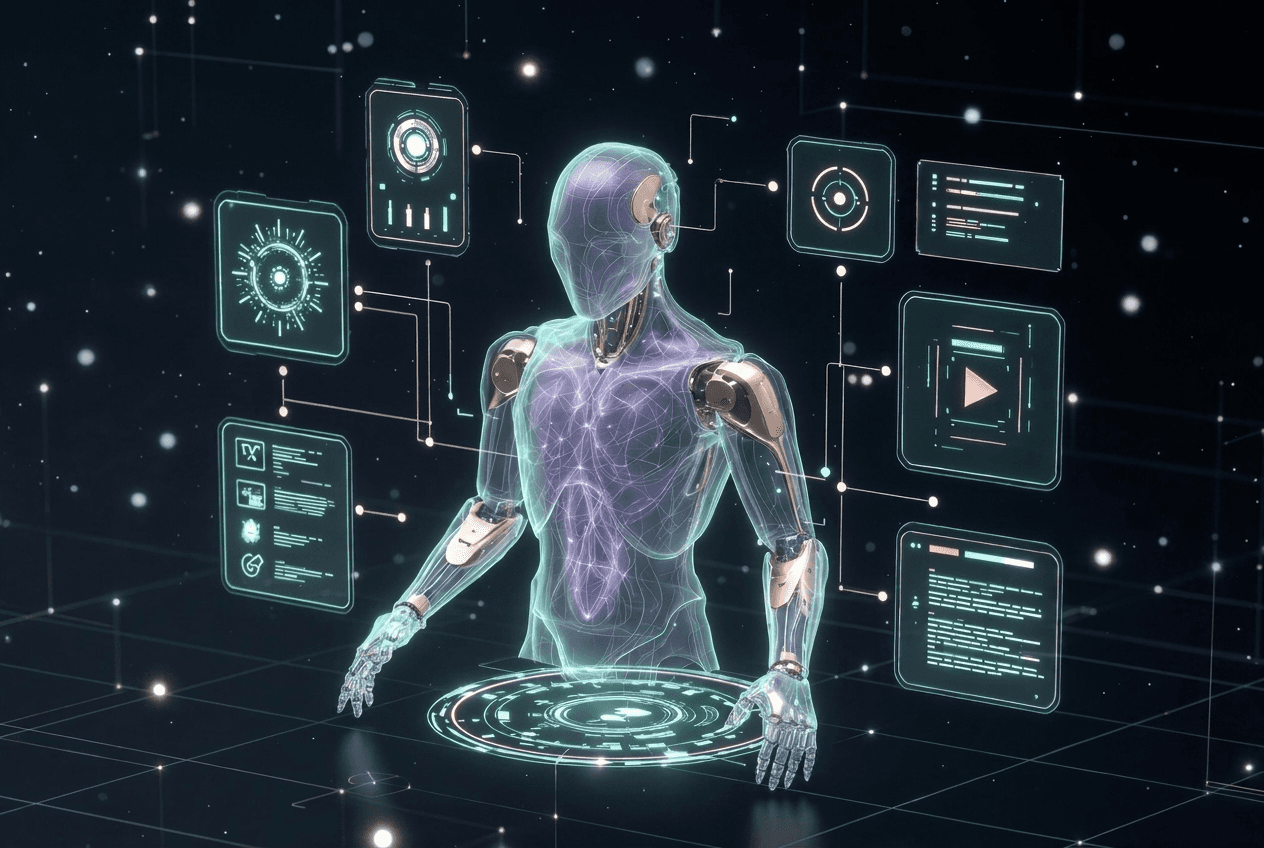
Implications for Human Work
The rise of agentic workflows has profound implications for how work is structured and performed.
On the positive side, these systems can significantly reduce the burden of repetitive and administrative tasks. They enable individuals and small teams to operate with the efficiency of much larger organisations. This can unlock new levels of productivity and allow people to focus on strategic, creative and interpersonal work.
However, this shift also raises important considerations:
Changing Skill Sets: As agents take on execution, human value may shift towards oversight, critical thinking and decision-making. Knowing how to guide and evaluate AI becomes as important as performing tasks directly.
Loss of Process Visibility: When an agent handles multiple steps autonomously, it can become harder to understand how outcomes are produced. This has implications for accountability and quality control.
Over-Reliance: There is a risk of becoming too dependent on automated systems, particularly if their limitations are not well understood.
Workforce Disruption: Roles centred around routine processes may be significantly altered or reduced, requiring adaptation and reskilling.


Designing Effective Human–Agent Collaboration
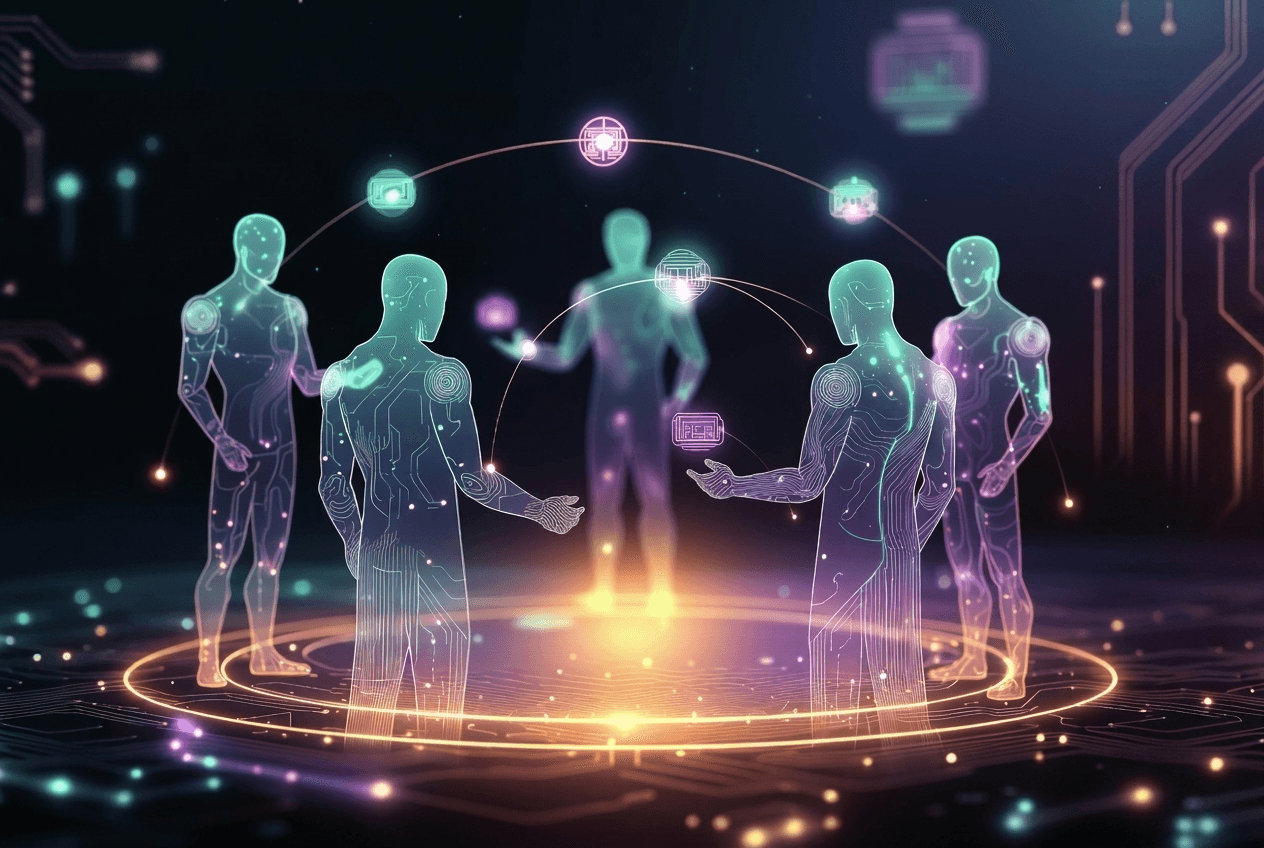
The most effective use of agentic workflows is unlikely to be fully autonomous. Instead, it lies in thoughtful collaboration between humans and AI. Clear goal-setting, well-defined boundaries and regular checkpoints can help ensure that agents operate reliably and transparently.
Trust will play a central role. Users must have confidence not only in the outputs of these systems, but in their ability to intervene, correct and guide them when necessary. Designing interfaces and workflows that support this balance will be critical.
Conclusion
Agentic workflows represent a shift from AI as a tool to AI as an active participant in work. By enabling systems to plan and execute complex tasks, they are redefining productivity and reshaping organisational structures.
As with previous waves of technological change, the key question is not whether these systems will be adopted, but how they will be integrated. The challenge for individuals and organisations alike is to harness their capabilities while maintaining clarity, control and a distinctly human sense of judgement.
More Projects


Implementation
Agentic Workflows
Agentic Workflows: The Next Evolution of AI-Driven Productivity
Time :
2026
Agentic Workflows: The Next Evolution of AI-Driven Productivity
Where Agentic Workflows Are Being Used
Agentic workflows are already being adopted across a range of domains:
Business Operations: Companies use AI agents to automate processes such as customer support, scheduling, data entry and internal reporting. These systems can manage end-to-end tasks rather than isolated actions.
Software Development: Agents assist with writing, debugging and deploying code, often coordinating multiple steps in the development lifecycle.
Research and Analysis: AI agents can gather information from diverse sources, compare perspectives and generate summaries or recommendations.
Marketing and Content Pipelines: From ideation to publication, agentic systems can manage entire content workflows, including drafting, editing and distribution.
Personal Productivity: Individuals use agents to organise tasks, manage emails, plan travel and coordinate daily activities.
In each case, the defining feature is not just automation, but orchestration—the ability to manage complex sequences of work.
Implications for Human Work
The rise of agentic workflows has profound implications for how work is structured and performed.
On the positive side, these systems can significantly reduce the burden of repetitive and administrative tasks. They enable individuals and small teams to operate with the efficiency of much larger organisations. This can unlock new levels of productivity and allow people to focus on strategic, creative and interpersonal work.
However, this shift also raises important considerations:
Changing Skill Sets: As agents take on execution, human value may shift towards oversight, critical thinking and decision-making. Knowing how to guide and evaluate AI becomes as important as performing tasks directly.
Loss of Process Visibility: When an agent handles multiple steps autonomously, it can become harder to understand how outcomes are produced. This has implications for accountability and quality control.
Over-Reliance: There is a risk of becoming too dependent on automated systems, particularly if their limitations are not well understood.
Workforce Disruption: Roles centred around routine processes may be significantly altered or reduced, requiring adaptation and reskilling.
Designing Effective Human–Agent Collaboration
The most effective use of agentic workflows is unlikely to be fully autonomous. Instead, it lies in thoughtful collaboration between humans and AI. Clear goal-setting, well-defined boundaries and regular checkpoints can help ensure that agents operate reliably and transparently.
Trust will play a central role. Users must have confidence not only in the outputs of these systems, but in their ability to intervene, correct and guide them when necessary. Designing interfaces and workflows that support this balance will be critical.
Conclusion
Agentic workflows represent a shift from AI as a tool to AI as an active participant in work. By enabling systems to plan and execute complex tasks, they are redefining productivity and reshaping organisational structures.
As with previous waves of technological change, the key question is not whether these systems will be adopted, but how they will be integrated. The challenge for individuals and organisations alike is to harness their capabilities while maintaining clarity, control and a distinctly human sense of judgement.
More Projects
Implementation
Agentic Workflows
Agentic Workflows: The Next Evolution of AI-Driven Productivity
Time :
2026
Agentic Workflows: The Next Evolution of AI-Driven Productivity
Where Agentic Workflows Are Being Used
Agentic workflows are already being adopted across a range of domains:
Business Operations: Companies use AI agents to automate processes such as customer support, scheduling, data entry and internal reporting. These systems can manage end-to-end tasks rather than isolated actions.
Software Development: Agents assist with writing, debugging and deploying code, often coordinating multiple steps in the development lifecycle.
Research and Analysis: AI agents can gather information from diverse sources, compare perspectives and generate summaries or recommendations.
Marketing and Content Pipelines: From ideation to publication, agentic systems can manage entire content workflows, including drafting, editing and distribution.
Personal Productivity: Individuals use agents to organise tasks, manage emails, plan travel and coordinate daily activities.
In each case, the defining feature is not just automation, but orchestration—the ability to manage complex sequences of work.
Implications for Human Work
The rise of agentic workflows has profound implications for how work is structured and performed.
On the positive side, these systems can significantly reduce the burden of repetitive and administrative tasks. They enable individuals and small teams to operate with the efficiency of much larger organisations. This can unlock new levels of productivity and allow people to focus on strategic, creative and interpersonal work.
However, this shift also raises important considerations:
Changing Skill Sets: As agents take on execution, human value may shift towards oversight, critical thinking and decision-making. Knowing how to guide and evaluate AI becomes as important as performing tasks directly.
Loss of Process Visibility: When an agent handles multiple steps autonomously, it can become harder to understand how outcomes are produced. This has implications for accountability and quality control.
Over-Reliance: There is a risk of becoming too dependent on automated systems, particularly if their limitations are not well understood.
Workforce Disruption: Roles centred around routine processes may be significantly altered or reduced, requiring adaptation and reskilling.
Designing Effective Human–Agent Collaboration
The most effective use of agentic workflows is unlikely to be fully autonomous. Instead, it lies in thoughtful collaboration between humans and AI. Clear goal-setting, well-defined boundaries and regular checkpoints can help ensure that agents operate reliably and transparently.
Trust will play a central role. Users must have confidence not only in the outputs of these systems, but in their ability to intervene, correct and guide them when necessary. Designing interfaces and workflows that support this balance will be critical.
Conclusion
Agentic workflows represent a shift from AI as a tool to AI as an active participant in work. By enabling systems to plan and execute complex tasks, they are redefining productivity and reshaping organisational structures.
As with previous waves of technological change, the key question is not whether these systems will be adopted, but how they will be integrated. The challenge for individuals and organisations alike is to harness their capabilities while maintaining clarity, control and a distinctly human sense of judgement.